HDIVE (Humanities Digital Innovation and Virtual Education) is a site dedicated to building a community practice for using innovative digital tools in the humanities.
The HDIVE founders began this endeavor while engaged in a Council of Independent Colleges (CIC) Consortium for Online Humanities Instruction among Carlow University, Saint Vincent College, and Ursuline College. This consortium, which the CIC sponsored through an Andrew W. Mellon Foundation grant, sought to develop greater institutional capacities for online humanities instruction, promote institutional collaboration, and optimize the use of instructional resources. Professional development and exchange of ideas among consortium members was an integral part of the project and, as the grant period ended, the HDIVE founders recognized the value of sharing ideas and practices among a group of colleagues engaged in using digital tools in teaching the humanities and wanted to better harness the capacities of these tools, not only for their teaching, but also for professional development.
The objectives of HDIVE are:
1. To generate approachable content based on community members’ experience in the application of digital tools in humanities teaching.
2. To build a community of practice around demystifying the use of innovative digital tools in the humanities.
3. To create a platform for peer-reviewed publication of open-source, creative commons materials on the application of digital tools in humanities teaching.
HDIVE Founders
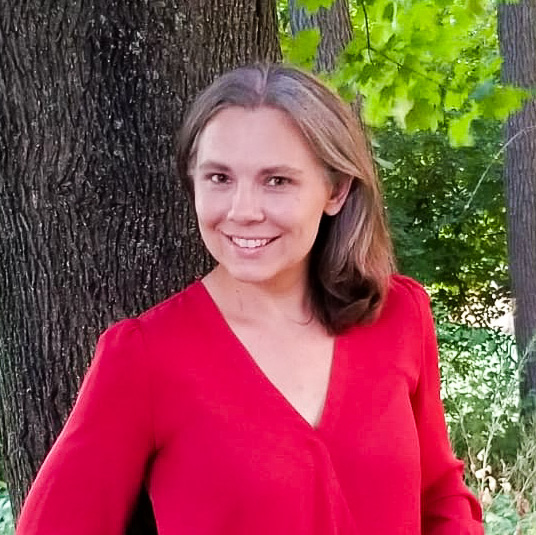
Elaine Bennett, Ph.D., M.P.H. is an Associate Professor of Anthropology and Public Health at Saint Vincent College. She specializes in applied anthropology and her research focuses on child health and nutrition in indigenous populations in Guatemala, college student health, and pedagogy in service learning and experiential learning. She also specializes in program development and evaluation. Elaine has been part of the Online Teaching in the Humanities movement through the CIC since 2015 and is interested in promoting student engagement and learning through well-designed online and hybrid approaches and has taught online, hybrid, and hybrid study abroad courses. She believes that learning to use digital tools can actually help us to design more effective courses and be better teachers in the physical classroom. Contact: elaine.bennett@stvincent.edu

Lauren M. Churilla practices Public History at Saint Vincent College in Latrobe, Pennsylvania as Curator/Director of the Foster and Muriel McCarl Coverlet Gallery. She lectures in Public History and American History within the College’s Department of History. Ms. Churilla is currently a doctoral candidate at Carnegie Mellon University where she studies American Women’s History under Lisa Tetrault, PhD.
She is a 2018 Andrew W. Mellon Fellow in Digital Humanities. Ms. Churilla is interested in looking at ways that digital tools can allow students to gain greater insight into topics across disciplines and use these tools to investigate nuanced questions about the human condition. She believes that digital learning can help students become both thoughtful users of technology and sophisticated critics of digital work while developing valuable digital media and information literacy skills that may be utilized in a variety of professional settings both in and out of academia.
Connect with her on her website www.laurenchurilla.com

Gina Messina, Ph.D., MBA, is an educator, author, and social entrepreneur. She serves as Associate Professor and Department Chair of Philosophy and Religious Studies at Ursuline College where she formerly served as Dean of the School of Graduate and Professional Studies. Messina also co-founded feminismandreligion.com, a blogging project with readers in 181 countries and widely used in classrooms around the globe.
She has written for the Huffington Post, is author or editor of five books, and has published hundreds of articles and editorials. Messina is a widely sought after speaker and has presented across the US at universities, organizations, conferences, and on national platforms including appearances on MSNBC, PBS, NPR and the TEDx stage. She has been featured in The Washington Post, HuffPost, The Associated Press, The Boston Globe, and The National Catholic Reporter among others. Messina has also spoken at the Commission on the Status of Women at the United Nations on numerous occasions to discuss matters impacting the lives of women around the globe.
Messina has a passion for teaching and is committed to responding to our evolving world by enhancing digital learning and creating a more dynamic experience in the online classroom through new forms of technology and pedagogical practices. Connect with her on Facebook: Gina Messina, Ph.D., Twitter: @GMessinaPhD, Instagram: @GinaMessinaPhD, and her website at ginamessina.com.

Katharine G. Trostel is Assistant Professor and Chair of English and the humanities at Ursuline College. She is interested in the ways in which teaching students through the lens of the humanities can contribute to an empowered citizenry. In the 21st century, she strongly believes that part of this work is ensuring that students are comfortable in the digital sphere and can communicate and articulate their thoughts and ideas across multiple platforms: in person through conversations, through traditional papers, and via public-facing formats (podcasts, videos, websites, etc.) This work also involves cultivating a practice of careful listening and modeling how to engage in productive conversations across media.
For a list of scholarly publications, please use my ORCid: https://orcid.org/0000-0002-1901-1020
You can also follow me on Twitter @KatieTrostel or on Instagram @Katie.Trostel
My personal website is: http://www.katharinegtrostel.com

 HDIVE
HDIVE 